+91 9982316735 travelpeopleindia@gmail.com

+91 9982316735 travelpeopleindia@gmail.com
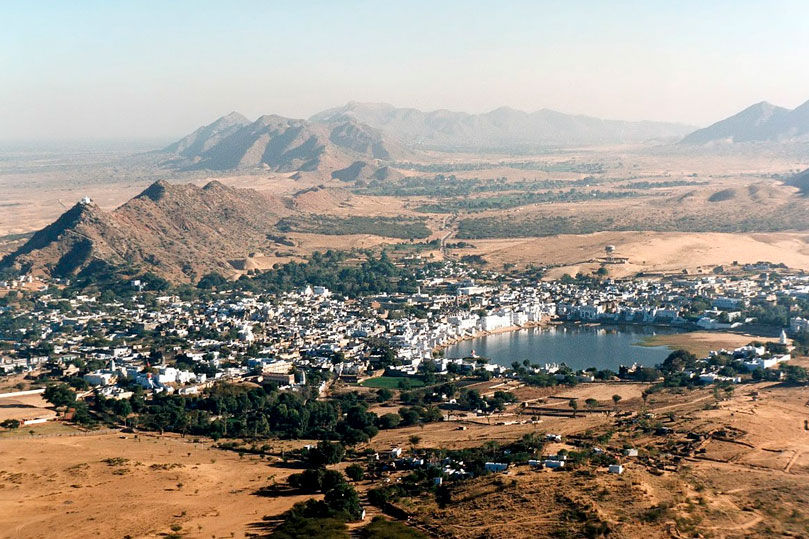
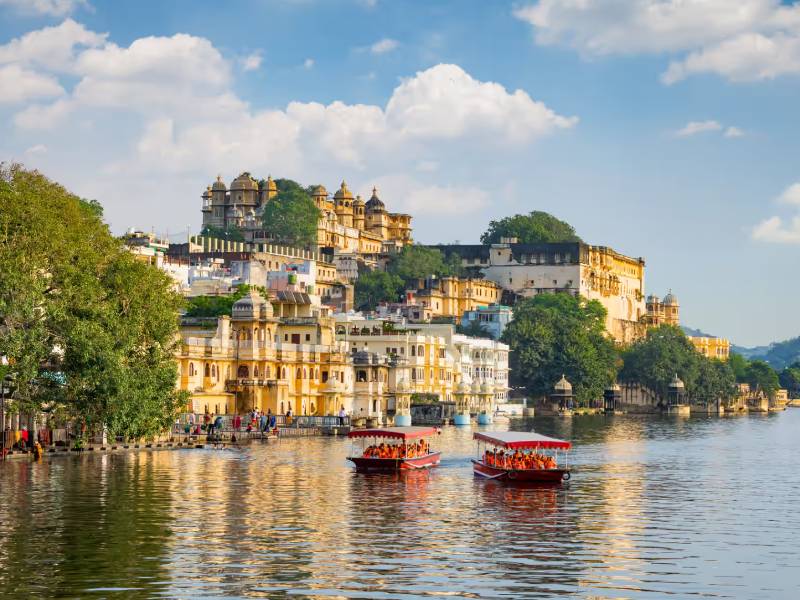
Travelling from the religious peace of Pushkar to the royal majesty of Rajsamand lets you experience the essence of the historical past of Rajasthan. While Pushkar is famous for its holy lake and the unique Brahma temple, there’s a certain kind of aura about the beauty of Rajsamand.
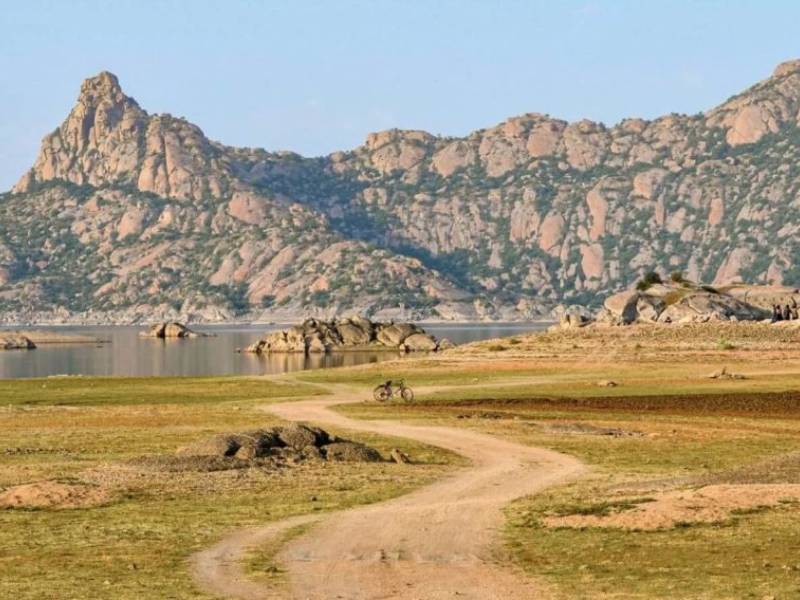
Rajasthan is a place where every mile tells a story. The tour from Pushkar to Rajsamand will take you through the rocky hills of the Ajmer region, enclosed by the dunes of the desert, and then to the alpine region of the Aravali range. The tour will be a retreat for pilgrims, historians, and environmentalists.
Pushkar is a tranquil city, famous for its sunset points and bustling market. Rajsamand serves as an entry point into the rich history of the Mewar region. Whether you’re eager to experience the “Great Wall of India” in Kumbhalgarh or spend the night around the sprawling Rajsamand Lake, the drive is 170 kms promises to be the most rewarding experience.
Distance between Pushkar and Rajsamand: The distance by road between Pushkar and Rajsamand is in the rangeof 172 to 180 kms, depending on the preferred route.
Travel time and routes:
By Car – It takes around 3.5 to 4.5 hours to reach. The route is via NH58, which goes via Ajmer and Beawar. The highways are generally well-maintained and serene, with the Aravalli Mountain ranges lining most of the way.
By Bus – The route is travelled by many private and RSRTC buses. A bus tour may take from 5 to 6.5 hours since there are several stops at places like Gomti and Nathdwara.
About Rajsamand:
Rajsamand is named after the majestic Rajsamand Lake, built during the 17th century by Maharana Raj Singh of Mewar. The town was formed in 1991 out of the earlier Udaipur district. The region is a unique blend of industrial capabilities and historical significance. The region lies in the Aravalli range, which makes the climate cooler compared to the sandy plains of western Rajasthan.
Marble Capital – Rajsamand is the marble-producing district that contributes the most marble to the Indian market. As one passes through the region, one notices large marble-producing machines and the famous “Marble Mandi.”
Religious hub – It possesses the renowned Shrinathji Temple of Nathdwara and Dwarkadheesh Temple, making it a significant place of travel for people from the Vaishnavite tradition.
Places to visit in Rajsamand:
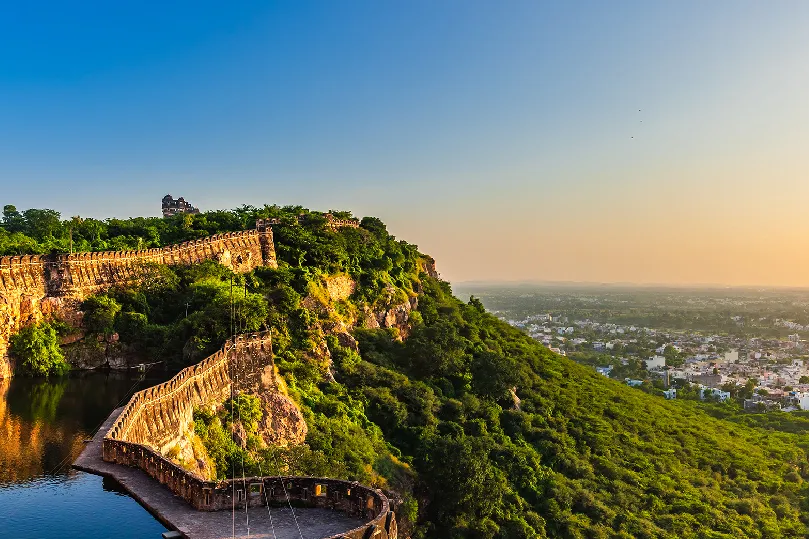
Kumbhalgarh Fort is a UNESCO World Heritage Site, the prized possession of the district. The fortress is famous for having the second-longest wall in the world, second only to China’s Great Wall, measuring 36 kms long. It is the birthplace of the legendary warrior king, Maharana Pratap. You can explore more than 360 temples within the fort and enjoy the sound and light show.
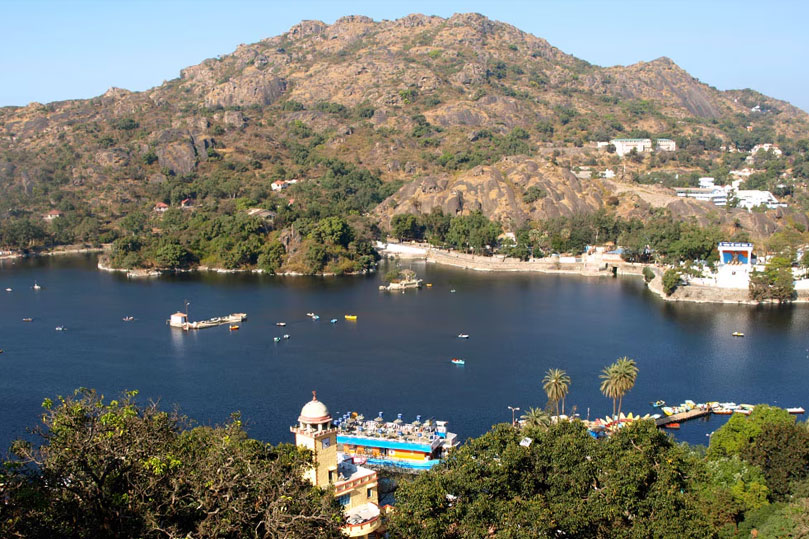
Rajsamand Lake is a man-made lake, a 17th-century feat of engineering. The lake boasts an awe-inspiring bank named “Nau Chowki” or “the nine pavilions.” They are ornamented with sculptures of lovely birds, suns and deities.
Ranakpur Jain Temple is nominally in the neighbouring Pali district, often explored on a Rajsamand-Kumbhalgarh route. The temple is dedicated to Tirthankara Adinath in the 15th century, made of light marble all over. The 1444 intricately carved marble pillars have a similar design, and the complicated way in which they are arranged makes it impossible to make an exact count.
Car Rental for Pushkar to Rajsamand:
Renting a private car for Pushkar to Rajsamand will be the most convenient for a comfortable trip. Our car rental fleet is available for well-maintained sedans like Swift Dzire, SUVs like Innova Crysta, and Tempo Traveller. It takes around 4 hours via NH58, and one can always stop at beautiful spots on the way or at the Nathdwara Temple. Most rentals don’t have problems offering professional chauffeurs and include door-to-door pickup and drop, which makes the travel experience hassle-free for those willing to experience the comfort with the raw beauty of Rajasthan’s Aravalli hills.
FAQs on Pushkar to Rajsamand Distance:
Which is the best season to visit Rajsamand?
The best time is from October to March. During winter, the place shows ideal weather to wander around its forts and lakes. Summers can get very hot; the temperature goes far beyond 40 degrees Celsius.
Can I visit the Kumbhalgarh and Rajsamand Lakes in one day if I come from Pushkar?
Yes, it would be quite a long day. You could get to Rajsamand by 10:30 if you leave Pushkar by 6:00 AM, and then you could visit the lake and the Kumbhalgarh fort before returning that evening.

Share your query now and we will write you back in the shortest possible time including very possible detail.
Share your query and our team will respond quickly with the best travel assistance.
Near Gurudwara Bus Station, Choti Basti, Near Vamdev Road, Pushkar, Ajmer - 305022 info@ajmertaxiservices.com
Copyright 2026 Ajmer Taxi Services. All Rights Reserved